What’s Really Going On in Your Cycle
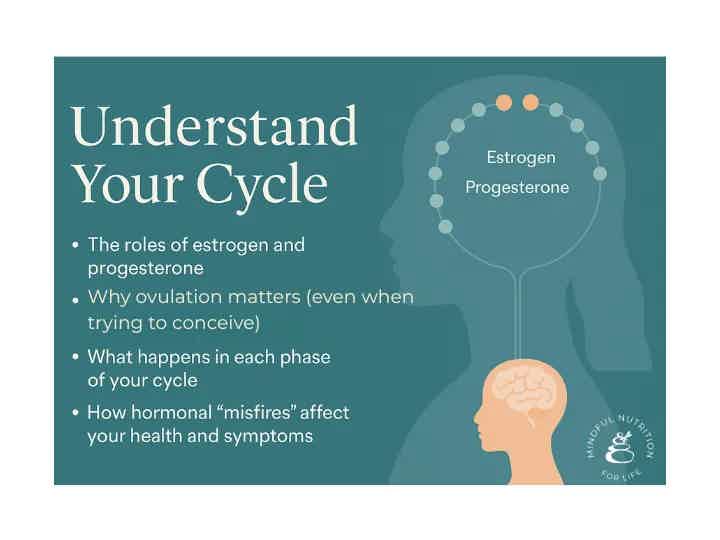
Your hormone cycle is about so much more than just your period.
Estrogen, progesterone, and the dance they perform each month affect everything from your brain to your bones. Whether you’re trying to conceive, managing PMS, or simply want to feel better in your body, understanding your cycle is foundational to lasting health.
Here’s what every cycling woman should know:
✔️ The Roles of Estrogen and Progesterone
These two hormones are the key players in your monthly cycle — and they’re not just for reproduction.
Estrogen is dominant in the first half of the cycle. It supports mood, energy, metabolism, brain clarity, and bone health. It also thickens the uterine lining and signals the release of luteinizing hormone (LH) to trigger ovulation.
Progesterone takes the lead in the second half. It’s your “soothing” hormone — helping with sleep, stress resilience, and keeping estrogen in balance. It also prepares the uterus for pregnancy (or your next period).
When these two hormones are in rhythm, you feel more balanced. When they’re out of sync, you may notice mood swings, fatigue, anxiety, brain fog, poor sleep, or irregular cycles.
✔️ Why Ovulation Matters (Even If You’re Not Trying to Conceive)
Ovulation isn’t just about fertility — it’s about hormone health.
You can’t make enough progesterone without ovulating. And progesterone is essential for:
- Calming your nervous system
- Regulating inflammation
- Supporting thyroid and adrenal function
- Reducing heavy periods and PMS symptoms
Even if pregnancy is not your goal, ovulation is a monthly sign that your body is working properly. If it’s not happening, it’s time to look deeper.
✔️ What Happens in Each Phase of Your Cycle
Your cycle isn’t just about your period. It’s a four-phase process that repeats each month:
- Menstrual Phase (Days 1–5): The uterine lining is shed. Hormone levels are low. Energy may feel lower.
- Follicular Phase (Days 1–13): Estrogen rises. The brain signals the ovaries to develop follicles. You may feel more energized and mentally sharp.
- Ovulation (Around Day 14): A mature egg is released. Estrogen peaks and LH surges. This is your most fertile window.
- Luteal Phase (Days 15–28): Progesterone rises. The body prepares for pregnancy. If no fertilization occurs, hormone levels drop and the cycle restarts.
Knowing where you are in your cycle can help you optimize exercise, nutrition, and self-care.
✔️ How Hormonal “Misfires” Affect Your Health and Symptoms
When your cycle is off — due to stress, under-eating, gut imbalances, blood sugar dysregulation, perimenopause, or other root causes — you might notice:
- Irregular or missing periods
- Heavy bleeding or spotting
- Painful PMS, irritability, or anxiety
- Fatigue, insomnia, or low libido
- Skin changes or weight fluctuations
These are not “normal” — they’re clues your body is giving you.
Testing, assessing the entire hormone rhythm (not just a single snapshot), and supporting the root causes can lead to real and lasting relief. You don’t have to figure it out alone. If you’re ready to understand your cycle and feel better in your body, schedule a discovery call to see how we can work together.